The Odyssey (2026) Review: A Seven-Minute AI Experiment That Falls Flat
Elon Musk’s AI-generated Odyssey promises an epic retelling but delivers lifeless characters, rushed storytelling and little emotional engagement.
Scorecard & Industry Consensus
OUR RATING: ★ ☆ ☆ ☆ ☆ (1 / 10)
Verdict: A Complete Waste of Time
| Category | Score | Key Takeaway |
|---|---|---|
| Story & Narrative Realism | 1.0/5.0 | The rushed narrative makes the story difficult to follow and fails to develop its characters meaningfully. |
| Performances & Chemistry | 1.0/5.0 | The AI-generated characters lack convincing expressions and the emotional depth needed to make their interactions engaging. |
| Production & Set Pieces | 1.0/5.0 | The artificial-looking characters undermine the visual presentation, making the experience feel unconvincing. |
| Pacing & Tension | 1.0/5.0 | The hurried storytelling sacrifices character development and narrative clarity without building meaningful tension. |
| Sound Design & Score | 1.0/5.0 | The presentation does little to compensate for the weak storytelling, although the available viewing notes provide limited detail about the soundtrack. |
Quick Audience Guide
| Watch It If | Skip It If |
|---|---|
| You are curious about AI-generated filmmaking and want to see how Grok Imagine handles a classical Greek epic. | You want convincing characters, emotionally engaging storytelling and a satisfying cinematic experience. |
| You want to examine the limitations of AI-generated entertainment for yourself. | You would rather watch a compelling adaptation of the Trojan War and its surrounding mythology. |
The Standout Moment: The biggest takeaway is the contrast between the ambition of adapting a legendary Greek epic and the lifeless execution. The artificial-looking characters and hurried storytelling make the experience particularly disappointing.
High-Impact Pros & Cons
Pros
- Brief Runtime: At approximately seven minutes, the episode requires little commitment, although its short duration does not justify the viewing experience.
- AI Experimentation: The project offers an opportunity to examine how AI-generated video is being applied to ambitious storytelling.
- Recognisable Source: Homer’s legendary epic provides a familiar foundation, particularly for viewers who already know the story through other adaptations.
- Conversation Starter: The project raises questions about whether AI-generated visuals can deliver the emotional depth audiences expect from traditional filmmaking.
Cons
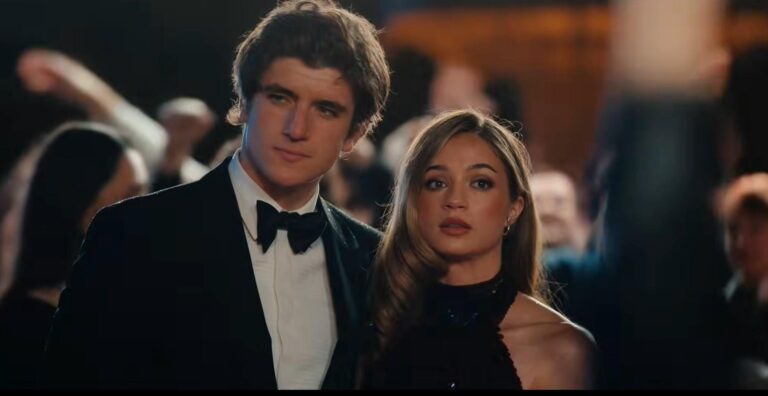
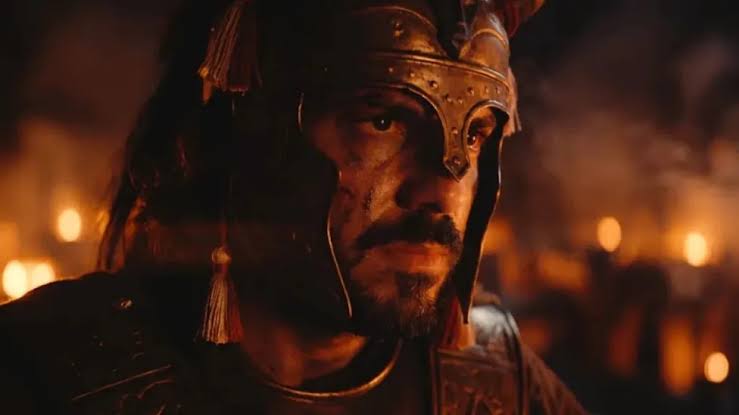
- Fake Characters: The characters look artificial, with unconvincing appearances that make it difficult to connect with the people portrayed on screen.
- Rushed Storytelling: The narrative moves too quickly, leaving little room for character development, emotional engagement or a coherent storytelling experience.
Deep Editorial Critique
Direction & Tactical Realism
Elon Musk’s AI-generated The Odyssey arrives with considerable expectations. After criticising Christopher Nolan’s interpretation of the ancient Greek epic, Musk promised a full-length adaptation created using Grok Imagine. His stated ambition was to produce a version that would be historically accurate and faithful to Homer’s work. However, the first release is a seven-minute episode rather than the promised feature-length film. It was released on 23 October 2026 and credits Wonder Studios and director Dev Walker as creative collaborators.
Having watched Troy and Christopher Nolan’s The Odyssey, I approached this AI-generated version with a clear understanding of the story’s cinematic potential. Both previous films gave me a useful point of comparison. Unfortunately, this episode falls well short of what I expected from an adaptation of such a celebrated epic.
My biggest problem is that the characters look artificial and fail to convey convincing emotions. Their presence does little to draw viewers into the story, while the rushed presentation makes the narrative difficult to follow. Rather than allowing important moments to develop naturally, the episode attempts to move through its material too quickly.
For me, this is where the experience falls apart. A familiar story can still feel fresh when its characters are compelling and its storytelling is effective. Here, neither element works well enough to make the short runtime worthwhile. The result feels less like an engaging cinematic retelling and more like an underdeveloped experiment.
Production Scale & Visual Impact
The central question surrounding this project is whether AI-generated filmmaking can deliver an experience comparable to conventional cinema. My experience with this episode suggests that convincing storytelling requires considerably more than generating images of characters and placing them within recognisable settings.
The artificial appearance of the characters repeatedly undermines the presentation. Even when the underlying story offers opportunities for dramatic moments, the visuals fail to establish the convincing human presence needed to make those moments meaningful.
The distinction matters because The Odyssey is an epic built around extraordinary journeys, difficult choices and powerful emotions. Its cinematic potential depends on audiences becoming invested in the people experiencing those events. When the characters look fake and the narrative races ahead, that investment becomes difficult to establish.
The seven-minute runtime also leaves little room for the story to breathe. Instead of developing its material with care, the episode feels rushed from one moment to the next. My criticism is not simply that the production uses AI. It is that the finished experience fails to deliver the emotional and narrative engagement I expect from a film or television adaptation.
Performances & Tension
Characterisation is another major weakness. Although AI-generated figures can resemble real people, visual resemblance alone cannot guarantee believable performances. In this episode, the characters lack convincing expressions and emotional presence, making it difficult to become invested in their experiences.
This weakness becomes particularly noticeable when compared with traditional cinematic storytelling. Strong performances help audiences understand what characters want, why their decisions matter and how events affect them. Without that emotional connection, even an established story can become difficult to care about.
The pacing compounds the problem. The episode tries to cover its material rapidly, but speed does not automatically create excitement. Instead, the rushed presentation makes the narrative less engaging and leaves the characters with little opportunity to establish their importance.
Ultimately, I found the experience deeply disappointing. Despite lasting only around seven minutes, the episode struggled to hold my attention. Its artificial-looking characters, unclear storytelling and hurried execution left me with little reason to recommend it.
If you want to explore the cinematic world surrounding the Trojan War, I would recommend watching Troy instead. Based on my experience, Musk’s AI-generated The Odyssey is an experiment worth skipping rather than a compelling alternative to traditional filmmaking.

Rachel Rosie is a Writer & Editor at BriefLedger, based in London, UK. She holds a BA (Hons) in Journalism and Publishing from the University of the Arts London (UAL). Rachel writes about entertainment, culture, television, movies and trending stories, with a focus on clear, engaging and well-researched content.