Sandra Bullock’s Comments About A.I. Show the Danger of Ignorance
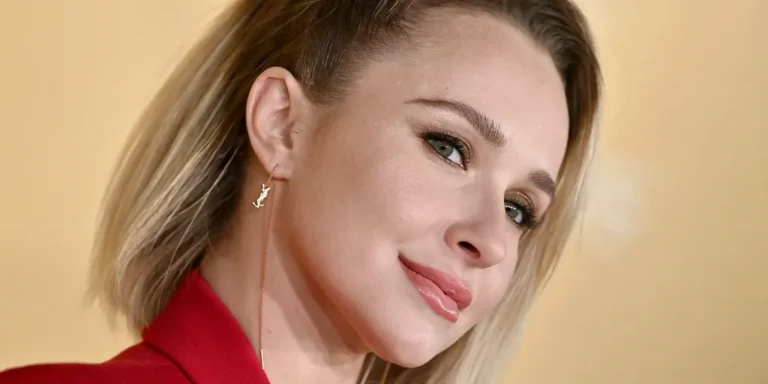
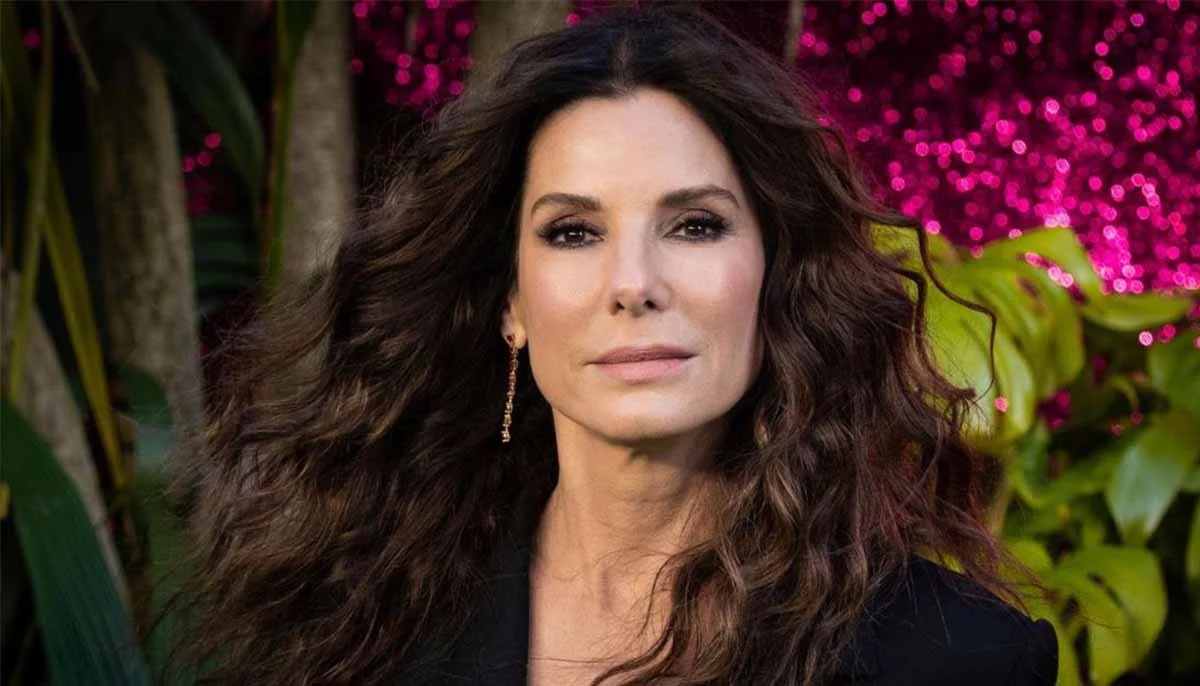
On Thursday, April 16th, Sandra Bullock appeared at the CNBC Changemakers Summit alongside Warner Bros. Motion Picture Group co-chair and CEO Pam Abdy to talk about Practical Magic 2. The conversation took a turn nobody should be surprised about in 2026, because of course it did: the subject of A.I. came up.
Specifically, AI-generated fan trailers for the upcoming sequel had been circulating online. When asked how she felt about seeing her likeness used without her involvement, Bullock quipped, “Well, there could be worse [things] with my image!” Then she got serious. She told the room, “It’s here. We have to observe it. We have to understand it. We have to lean into it. We have to use it in a really constructive and creative way, make it our friend.” She added that people need to “be incredibly cautious” because there are people “who will use it for evil and not good.”
Abdy, for her part, called the fan-made AI trailers “not great, but also exciting,” reasoning that “there’s a desire for it” and “people want to come and play with the movie.” She then immediately used Bullock’s comments as a springboard. “For the storytellers, it has to be a tool for the storytellers,” Abdy said. “We as a community have to acknowledge it, understand it, learn about it, and move forward.”
Practical Magic 2
Here’s the problem. What both of them said is bad. Not nuanced-but-understandable bad. Just bad.
What Bullock is failing to realize is how harmful her comments are. Abdy immediately used them to justify why the movie industry needs to lean into using A.I., and that is dangerous to everyone involved in making television and film. Studios don’t need a permission slip from Oscar winners to push toward automation. They need the opposite. Every public “lean into it” from a name like Sandra Bullock is ammunition.
You can give Abdy some cover. She’s a CEO. CEOs look for cost-cutting. It tracks. But Bullock is a producer and an actor, someone whose colleagues, crew members, and creative collaborators stand to lose work to the very technology she’s cheerfully making friends with. It would be hard to believe that Bullock doesn’t know how A.I. can replace voice actors, musicians, and creative workers. Maybe she doesn’t. That’s arguably worse.
The “we have to be cautious” caveat does not save it. Warnings without specifics are noise. AI normalization is sweeping Hollywood, and the loudest voices right now are the ones with the most insulation from the consequences. Ben Affleck sold an AI company to Netflix to make cheaper movies. Steven Soderbergh has said there will be “a lot of AI” in his upcoming work. Now Bullock is on stage telling the industry to make it their friend. Meanwhile, the people who built the sets, scored the films, and voiced the characters are watching this in real time.
Backlash online was swift, and for once, the internet wasn’t entirely wrong. The comments were not bold or brave. They were the path of least resistance dressed up in cautious language. The last thing the world of entertainment needs is A.I. replacing actual creative and artistic minds. No actor or studio needs to “lean into it.” If anything, they should be pushing against it.
Practical Magic 2 opens in theaters September 2026. We’ll keep you posted on updates as the project develops, though at this rate, half the crew might be a prompt by then.

Elena Vane is an award-winning comics historian and pop culture journalist. Specializing in the DC/Marvel universes and independent graphic novels, Elena has been documenting the rise of cosplay culture for over a decade . She is a frequent panelist at New York Comic Con and provides in-depth biographies of industry pioneers. Elena’s expertise ensures that every comic-related update is factually grounded and community-focused .