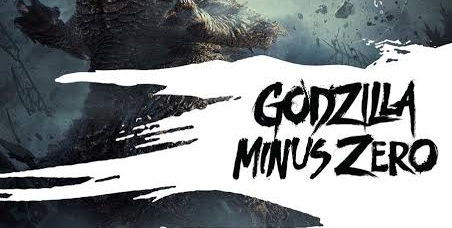
Godzilla Minus Zero (2026) Review: Bigger Spectacle, Thinner Story
A bigger, louder Godzilla sequel that dazzles visually but trails its predecessor emotionally.
Reviewed by: Rachel Rosie | UK Platform/Release: UK & Ireland cinemas and IMAX, 6 November 2026 (Japanese with English subtitles) | BBFC Rating: TBC (see note below) | Runtime/Episodes: 135 minutes
Scorecard & Industry Consensus
OUR RATING: ★ ★ ★ ★ ☆ (7.8 / 10)
Verdict: Spectacular, but a step down
| Category | Score | Key Takeaway |
|---|---|---|
| Story & Narrative Realism | 3.5/5.0 | A simple, familiar structure that adds a second creature but little real invention. |
| Performances & Chemistry | 4.0/5.0 | The cast is as strong as in the first film, with no notable weak link. |
| Production & Set Pieces | 4.5/5.0 | Visually and in scale, this is a clear leap forward from Minus One. |
| Pacing & Tension | 3.5/5.0 | The film moves into action quickly, but sacrifices the slow-burn suspense of its predecessor. |
| Sound Design & Score | 4.0/5.0 | The creatures’ powers are rendered with real impact, supporting the scale of the action. |
Industry Consensus (Reference Only):
- Rotten Tomatoes: 90% (Critics)
- IMDb: 8.0 / 10
- Metacritic: 78 / 100
Quick Audience Guide
| Watch It If | Skip It If |
|---|---|
| You loved Godzilla Minus One, want bigger kaiju action on the largest screen available, and are comfortable reading subtitles. | You expect a story as layered and emotionally rich as the first film, or need an English-language version. |
The Standout Moment: The climactic confrontation, in which Godzilla and the second creature collide, is the film’s technical high point: a visually immense, powerfully staged set piece that showcases the sequel’s expanded scale and the creatures’ distinct powers.
High-Impact Pros & Cons
Pros
- Visual Leap: The effects work and scale visibly outstrip Minus One, delivering a film that looks far costlier than its budget suggests.
- Striking Cinematography: Camerawork frames the destruction with real grandeur, giving each monster appearance weight and a sense of genuine physical presence.
- Climactic Showdown: The finale’s monster clash is thrilling, delivering the large-scale spectacle audiences paying for the biggest screen will want.
- Strong Ensemble: Performances remain consistently excellent, matching the first film, with no weak link among the principal cast.
Cons
- Thin Plot: The story simply adds a second creature to the original’s template, leaving the sequel feeling more like repetition than necessity.
- Rushed Setup: Action arrives quickly, so the careful suspense and emotional groundwork that elevated Minus One are noticeably diluted here.
Deep Editorial Critique
Direction & Tactical Realism
Set two years after the devastation of Godzilla Minus One, the film opens on a fragile, hard-won stability. Its protagonist is attempting to rebuild an ordinary life alongside his wife while Japan slowly recovers. It is an effective premise, and the early scenes establish the sense of a nation barely catching its breath before catastrophe returns.
That catastrophe arrives in the form of a new creature, and the film’s account of how this monster came to exist is among its more intriguing ideas. Once it surfaces, destruction resumes in much the same way as before, and Godzilla himself soon enters the fray. The sequel’s central weakness lies here: the narrative is straightforward to the point of familiarity. Where Minus One built dread patiently, withholding its monster and sustaining suspense about what was stalking the coastline, this film simply introduces a second kaiju alongside Godzilla and lets events unfold. One leaves asking whether the story truly demanded a sequel.
There is, however, a compelling thematic backdrop. In Japanese cinema, Godzilla has traditionally been a destructive, terrifying force rather than the heroic figure Western productions have sometimes made him, a creature born of postwar nuclear anxiety. The question the film poses, of how a country still rebuilding after the Second World War, without advanced technology, can confront a monster it believed it had destroyed, is the film’s strongest dramatic hook. Yamazaki also takes several creative liberties, and most of them succeed.
Production Scale & Visual Impact
Visually, this is a marked improvement on its predecessor. The scale is larger, the action hits harder, and the cinematography is a genuine highlight, framing the destruction with confidence and weight. The powers of both Godzilla and the new creature are staged with clarity and flair, and the finale delivers the sort of large-scale spectacle that justifies a cinema visit. The film looks like a major-budget production, which makes it all the more impressive given the economy with which it achieves its effects.
Performances & Tension
The performances are, as before, uniformly strong, and nothing in the cast detracts from the film. The emotional engagement is where the sequel loses ground. By moving into action so promptly, the film gives audiences little time to bond with its characters, and its emotional storytelling, while present, lacks the depth of the first instalment. The pacing favours momentum over feeling. It remains a thoroughly enjoyable and accomplished film, and judged in isolation it is very good indeed, but set beside Minus One it feels like a lesser, if more spectacular, successor.

Rachel Rosie is a Writer & Editor at BriefLedger, based in London, UK. She holds a BA (Hons) in Journalism and Publishing from the University of the Arts London (UAL). Rachel writes about entertainment, culture, television, movies and trending stories, with a focus on clear, engaging and well-researched content.