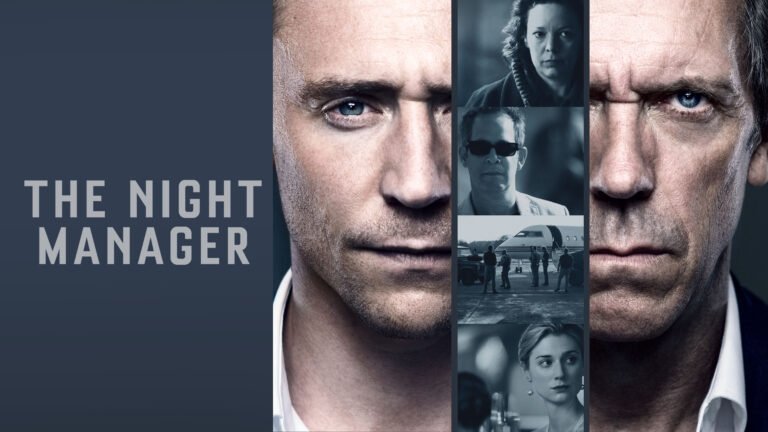
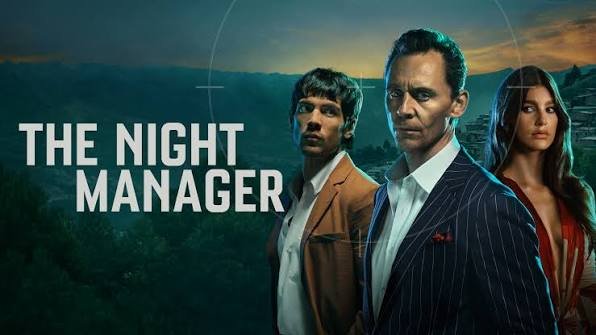
The Night Manager Season 2 (2026) Review: A Darker, Grounded Prelude to Something Bigger
A darker, grounded sequel that trades flash for realism and builds towards something bigger.
UK Platform/Release: BBC iPlayer / BBC One, January 2026 | BBFC Rating: BBFC 15 | Runtime/Episodes: 6 Episodes
Scorecard & Industry Consensus
OUR RATING: ★ ★ ★ ★ ☆ (7.5 / 10)
Verdict: Solid, sombre, setting up season three
| Category | Score | Key Takeaway |
|---|---|---|
| Story & Narrative Realism | 4.0/5.0 | A mature, realism-led narrative with real ambition, though some repetition and familiar beats dull the middle episodes. |
| Performances & Chemistry | 3.5/5.0 | Tom Hiddleston remains compelling, but the antagonist lacks the commanding presence of his predecessor. |
| Production & Set Pieces | 4.5/5.0 | Every scene looks superb, and the production budget shows no shortfall anywhere, despite little gunplay or combat. |
| Pacing & Tension | 3.5/5.0 | Intense, thrilling peaks and two major shocks land well, but the tempo oscillates between brisk and sluggish. |
| Sound Design & Score | 3.5/5.0 | Audio work supports the sombre, grounded tone without drawing attention to itself. |
Industry Consensus (Reference Only):
- Rotten Tomatoes: 86% (Critics)
- IMDb: 7.72 / 10
- Metacritic: 75 / 100
Quick Audience Guide
| Watch It If | Skip It If |
|---|---|
| You have seen season one, enjoy realism-driven spy thrillers, and are happy to invest in a larger story that is still being built. | You haven’t seen season one, want frequent gunfights and fight scenes, or need family-friendly viewing. |
The Standout Moment: The sixth episode closes on stakes so high that the story is pushed into far graver territory, and the jolt leaves viewers desperate for season three.
High-Impact Pros & Cons
Pros
- Ambitious Scale: The series expands its canvas with large-scale missions and a world that connects directly to the first season and beyond.
- Sombre Realism: A darker, more mature tone favours grounded spycraft over stylish flourishes, yet the realism never makes the drama dull.
- Finale Payoff: The sixth episode ends on enormous stakes, setting up a far bigger story and making season three feel essential.
- Lavish Production: Every scene looks excellent, and the budget is evident on screen with no visible shortfall in production values.
Cons
- Slow, Familiar Stretches: Pacing swings between fast and slow, with repetitive passages and moments that echo other spy dramas.
- Weaker Villain: The antagonist is intelligent but lacks the first season villain’s commanding presence, leaving hero and villain evenly matched.
Deep Editorial Critique
Direction & Tactical Realism
Newcomers should start elsewhere. This second season is not designed to stand alone, and anyone who has not seen our review of the first season should watch it before beginning here. The story follows our protagonist as he once again sets out to stop a dangerous criminal whose planned weapons deal threatens to cost many lives, this time taking him to Colombia. Without the groundwork of season one, the narrative simply will not make sense.
The shift in tone is the season’s most notable change. It is noticeably darker and more mature than its predecessor, and the direction resists flashy set-ups and stylish flourishes in favour of grounded, procedural spycraft. Crucially, that realism does not turn the series dull. The twists and espionage manoeuvring expected of the genre are present, and the world-building is considerably larger, with the story threaded directly through seasons one and two and clearly pointing towards a third.
That forward-looking ambition is both its strength and its weakness. The sixth episode ends on stakes high enough to make the whole six-part run feel like careful groundwork for what follows. But because the season is largely a set-up, the stretch between opener and finale feels slower and more repetitive than it should, and some moments will strike seasoned viewers as familiar from other spy series. The third episode delivers a major shock and the finale another, and there are genuinely tense, intense passages along the way, but the middle can feel as though it is waiting for the payoff.
Production Scale & Visual Impact
The cinematography and production design are consistently accomplished. Every scene is a pleasure to look at, and there is no sign of the budget being stretched thin anywhere. Those expecting spectacle should still temper their expectations. There are few gun battles, little fight choreography and no real military set pieces. This is a series that chooses realism over bombast, and its visual confidence comes from craft rather than carnage. The sound design supports that restraint, reinforcing the sombre mood without drawing attention to itself.
As with the first season, the series is unsuitable for family viewing. It contains intimate scenes and mature material, which its BBFC 15 classification reflects.
Performances & Tension
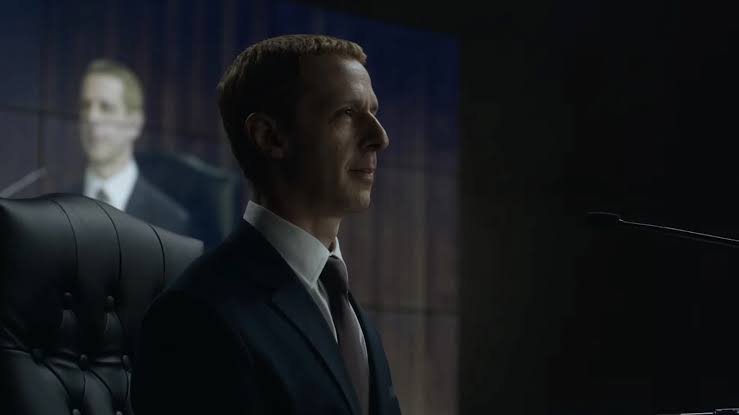
Tom Hiddleston remains a watchable lead, and the series keeps his hero at the centre of its espionage games. The weakness lies on the other side of the conflict. The villain is clever, but he lacks the commanding menace of the first season’s antagonist, which leaves hero and villain feeling more or less evenly matched and takes the edge off the central rivalry. Perhaps tellingly, this reviewer, a Hiddleston admirer, found themselves wanting the villain to prevail and felt more connected to him than to the hero.
Pacing is the other qualification. The tempo swings between fast and slow, and a tighter rhythm would have served the material better. Overall, this is a good rather than groundbreaking series: a patient, mature spy drama whose final episode is strong enough to make the next chapter an event.

Rachel Rosie is a Writer & Editor at BriefLedger, based in London, UK. She holds a BA (Hons) in Journalism and Publishing from the University of the Arts London (UAL). Rachel writes about entertainment, culture, television, movies and trending stories, with a focus on clear, engaging and well-researched content.