Cassette Tapes Are Making a Comeback
The cassette is no longer a relic. UK cassette sales have grown for ten straight years, and US volumes jumped 17.5% in 2025, as Gen Z buyers and pop superstars push the format back into the mainstream.
TL;DR
- UK cassette sales have risen for ten consecutive years, recently hitting their highest level since 2003, according to the British Phonographic Industry (BPI).
- US cassette album sales reached 446,500 units in 2025, up 17.5% year-on-year and roughly five times 2015 levels.
- Taylor Swift, Olivia Rodrigo, and Billie Eilish are among the artists releasing new albums on cassette.
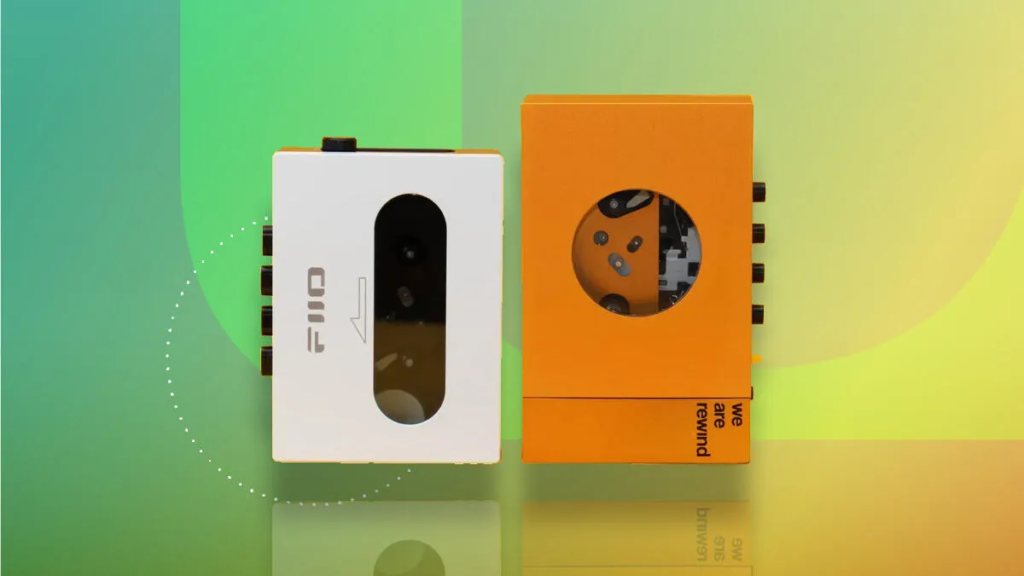
- New cassette players from brands like We Are Rewind and Fiio are filling the gap left by Sony’s 2010 exit from Walkman production.
A format that refuses to stay dead
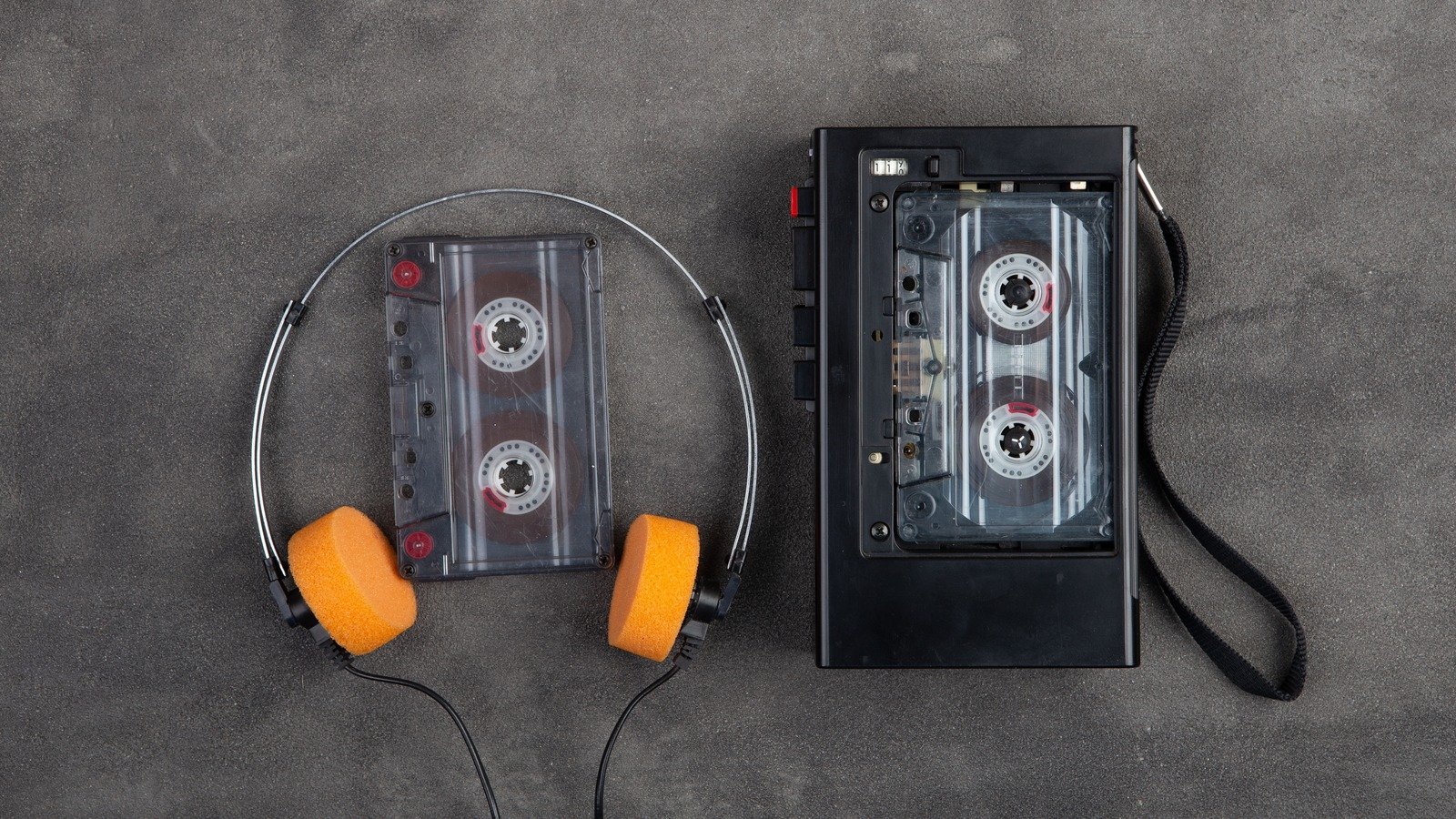
Cassette tapes are once again selling in numbers nobody predicted a decade ago. US cassette album sales hit 446,500 units in 2025, up 17.5% year over year and roughly five times the volume sold a decade earlier. That climb has been steady rather than a single viral spike, building year on year as both major labels and independent artists lean back into the format.
Taylor Swift has played a leading role in that trend. Pop’s biggest acts have helped legitimise the format for a generation raised entirely on streaming, and cassette sales jumped 204.7% in the first quarter of 2025 in the US, even as CD sales declined.
UK cassette sales: the local picture
This isn’t only an American story. According to the BPI, the trade body for the UK’s recorded music industry, cassette sales in the United Kingdom have grown for ten consecutive years, recently reaching their strongest level since 2003. That sits alongside a wider physical-format revival noted in the BPI’s most recent annual report, which recorded a third consecutive year of growth for UK physical music sales overall.
UK retailers have noticed too. Physical formats, including cassette, vinyl, and CD, accounted for the majority-format first-week sales behind 34 of 2025’s 43 chart-topping albums in the UK, according to BPI analysis of Official Charts Company data.
Why it matters: the cassette’s UK resurgence is happening alongside record store culture and chart behaviour that the streaming era was supposed to have ended. For an audience that grew up associating “physical music” purely with vinyl, the reappearance of cassette racks in UK shops signals something broader: a generation choosing to own music again, not just stream it.
Why younger buyers are choosing tape over streaming
Music journalist Marc Masters, author of a recent book on cassette culture, has pointed to streaming fatigue as a driver. He has said that streaming pays artists poorly and that listening dictated by algorithms feels impersonal, leaving fans wanting something they can physically own and put on a shelf.
That tracks with industry data on who’s actually buying. Cassette manufacturer research found that nearly 59% of 18- to 24-year-olds in the UK regularly listen to music on physical formats, including cassette, according to Key Production. Gen Z buyers are driving much of the growth even though most never owned a working tape deck before this revival began.
Stat card: Format growth, US market (2025)
| Format | Trend |
|---|---|
| Cassette albums | 446,500 units sold, +17.5% YoY |
| Vinyl LPs (UK) | 7.6 million units sold, +13.3% YoY |
Source: BPI / Official Charts Company; figures reported via Music Week and Billboard
The hardware problem
Buying the tapes is the easy part. Sony stopped manufacturing the Walkman in 2010, leaving most surviving units well over a decade old, with rotted belts and seized motors. French brand We Are Rewind and Chinese manufacturer Fiio have both launched new cassette players aimed at the revival market, combining retro design with Bluetooth output and modern charging, while refurbished 1980s Walkmans now resell for £75 to £225 ($100–$300) on platforms like eBay and Reverb.
Major artists fuelling the trend
Taylor Swift, Olivia Rodrigo, and Billie Eilish have all released cassette editions of recent albums, with some limited runs selling out within minutes of release. The economics make sense for artists too: cassettes cost a fraction of vinyl to produce, letting acts sell physical merchandise to fans at sustainable margins without the long pressing-plant wait times that have plagued the vinyl industry.
Why it matters
Cassette sales remain a small slice of the overall recorded music market compared to streaming or even vinyl. But ten straight years of UK growth, alongside a fast-rising US market, point to something more durable than a passing nostalgia trend — a younger audience actively choosing tactile, ownable formats over algorithm-driven listening, even when the audio quality objectively can’t compete.
For more on physical music’s wider resurgence, see our coverage of the UK’s record-breaking video games market and the Beach Boys’ Pet Sounds 60th-anniversary celebrations.

Lewis Calvert Founder & Editor, BriefLedger
Lewis founded BriefLedger and has six years of experience covering film, TV, and entertainment news. He leads the site’s Movies and TV sections and runs the news desk — always with a straight-talking British take.