The Social Reckoning (2026) Review: A Sequel Haunted by Its Predecessor
Sorkin’s Facebook sequel is timely and sharply written, but never matches its predecessor.
UK Platform/Release: UK cinemas, 9 October 2026 | BBFC Rating: 15 | Runtime/Episodes: 112 minutes
Scorecard & Industry Consensus
OUR RATING: ★ ★ ★ ½ ☆ (7 / 10)
Verdict: Timely, talky, unavoidably lesser
| Category | Score | Key Takeaway |
|---|---|---|
| Story & Narrative Realism | 3.5/5.0 | The Facebook Files whistleblower story is relevant and credible, yet its themes now feel familiar. |
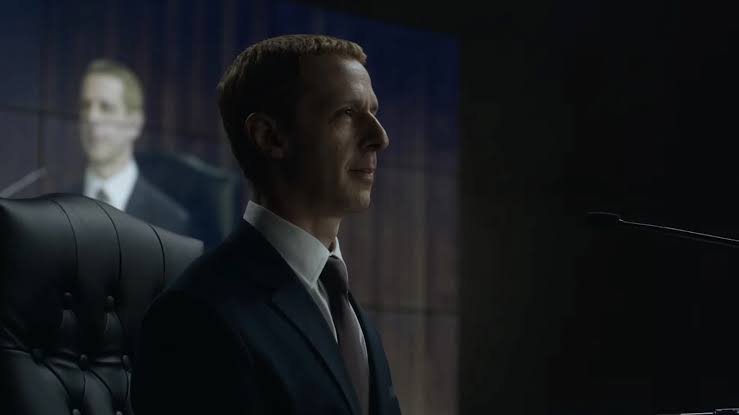
| Performances & Chemistry | 4.0/5.0 | Jeremy Strong’s Mark Zuckerberg is the clear highlight, with mannered, robotic delivery that convinces. |
| Production & Set Pieces | 3.0/5.0 | A dialogue-led drama that lacks the atmosphere and cinematic impact of The Social Network. |
| Pacing & Tension | 3.0/5.0 | Engaging investigative sequences are weighed down by heavily expository conversations. |
| Sound Design & Score | 3.0/5.0 | Serviceable and unobtrusive, though it does little to lift the film’s atmosphere. |
Industry Consensus (Reference Only):
- Rotten Tomatoes: 55% (Critics)
- IMDb: 6.8 / 10
- Metacritic: 52 / 100
Quick Audience Guide
| Watch It If | Skip It If |
|---|---|
| You are a The Social Network fan, enjoy investigative dramas like Spotlight and The Post, or are curious about technology, journalism and corporate scandal. You are also new to Facebook’s documented harms. | You want action-packed thrillers or fast-paced spectacle. You already know the darker side of big tech, or you expect part one’s cinematic, character-driven experience. |
The Standout Moment: Jeremy Strong’s Zuckerberg, with its robotic delivery and halting pauses, is the film’s most compelling element, capturing the founder’s unnerving, almost alien detachment with striking, near-uncanny precision.
High-Impact Pros & Cons
Pros
- Strong Zuckerberg: Jeremy Strong’s robotic cadence and measured pauses make his Mark Zuckerberg about eighty per cent convincing, and often unsettling.
- Urgent Subject: The Facebook Files material remains urgent, and the film invites genuine questions about algorithmic harm, radicalisation and corporate accountability today.
- Sharp Dialogue: Aaron Sorkin’s dialogue is crisp, and the whistleblower-and-reporter scenes supply plenty of engaging investigative-drama sequences for genre fans.
- Accessible Entry: Newcomers to Facebook’s documented harms will find a clear, digestible account of how engagement-driven algorithms inflame anger and distort worldviews.
Cons
- Pales Beside Predecessor: It lacks the atmosphere and impact of The Social Network, so the sequel feels notably lighter in comparison.
- Over-Explained Dialogue: Characters often speak purely for the audience’s benefit, spelling out ideas that viewers drawn to this subject already understand.
Deep Editorial Critique
Direction & Tactical Realism
The Social Reckoning follows Frances, a Facebook data scientist who discovers that the company holds internal research documenting the social harms of its platform. The reports show how its algorithm can radicalise users, serve them distressing material and distort their sense of the world. Facebook is quietly sitting on these findings. Frances takes them to a Wall Street Journal reporter, and the film dramatises what became known in 2021 as The Facebook Files.
Where The Social Network charted the founding of Facebook and Zuckerberg’s betrayals, this sequel argues that those at the top understand the damage their products cause. The business model rewards what provokes anger, so a user who reacts furiously to content about their community, language or country is fed more of it. Engagement climbs, outrage compounds and the user’s peace of mind erodes. It is a legitimate and sobering thesis, and the film presents it plainly.
That plainness is also the problem. Characters frequently seem to address the audience rather than one another, explaining everything as though viewers need guiding through it. The people who will seek out a film like this are likely to know much of the territory already, so the exposition feels redundant. Character depth is limited, and the subject itself now feels familiar.
Production Scale & Visual Impact
This is a conversation-driven drama rather than a spectacle. It does not capture the atmosphere that made The Social Network distinctive, and it does not leave the same impression. The production is competent and functional, in service of the script rather than imagery, so viewers seeking visual ambition will not find it here. Sound design and score are unobtrusive.
Performances & Tension
Jeremy Strong is the film’s greatest asset. His Zuckerberg speaks in a robotic cadence, with halting pauses that suggest a figure not quite human. It is not a perfect impersonation, but it is roughly eighty per cent convincing, and it carries the most tension in the picture.
The investigative sequences are engaging and give journalism-drama enthusiasts plenty to enjoy. Pacing suffers whenever the film stops to explain itself.
This is best suited to viewers who admired The Social Network, or who enjoyed Spotlight and The Post. Audiences wanting thrills or blockbuster spectacle should look elsewhere. Overall, it can wait for streaming rather than demanding a cinema trip. My rating of 7/10 also reflects my prior familiarity with the 2021 reporting and my longstanding interest in the subject.

Rachel Rosie is a Writer & Editor at BriefLedger, based in London, UK. She holds a BA (Hons) in Journalism and Publishing from the University of the Arts London (UAL). Rachel writes about entertainment, culture, television, movies and trending stories, with a focus on clear, engaging and well-researched content.