Ghosts of War (2020) Review: A Haunted Chateau and a Twist That Rewrites Everything
A gripping haunted-chateau war chiller whose brilliant concept outpaces its execution.
Reviewed by: Rachel Rosie | UK Platform/Release: UK digital release, July 2020 (check current platform) | BBFC Rating: BBFC 15 | Runtime/Episodes: 94 minutes
Scorecard & Industry Consensus
OUR RATING: ★ ★ ★ ½ ☆ (7 / 10)
Verdict: Strong concept, flawed execution
| Category | Score | Key Takeaway |
|---|---|---|
| Story & Narrative Realism | 3.5/5.0 | A fantastic premise and a startling third-act reversal, held back by uneven delivery. |
| Performances & Chemistry | 4.0/5.0 | The ensemble cast is consistently convincing and lends the haunting real credibility. |
| Production & Set Pieces | 4.0/5.0 | The desolate chateau and its big-budget polish make for an immersive wartime setting. |
| Pacing & Tension | 3.0/5.0 | A gripping opening gives way to a stretched, inert middle section. |
| Sound Design & Score | 3.5/5.0 | Jump scares mostly work, though a few fail to land. |
Industry Consensus (Reference Only):
- Rotten Tomatoes: 38% (Critics)
- IMDb: 5.6 / 10
- Metacritic: 38 / 100
Quick Audience Guide
| Watch It If | Skip It If |
|---|---|
| You want a solid horror with a wartime haunted-house setting and modest expectations, and you enjoy a late twist that reframes the story. | You need relentless pacing throughout, or you expect a flawless, masterpiece-level execution of the premise. |
The Standout Moment: The third act upends everything established so far with a twist reminiscent of the Dark creators’ Netflix series 1899, recasting the haunting and leaving the audience genuinely stunned.
High-Impact Pros & Cons
Pros
- Stunning Third Act: A late-film twist reframes the entire story, delivering a genuine shock that rewards viewers who stay patient through the middle.
- Atmospheric Setting: The desolate, opulent chateau generates real unease from the moment the soldiers cross its threshold, grounding the haunting in dread.
- Committed Cast: Alan Ritchson, noticeably leaner than in Reacher, features in a strong ensemble whose performances keep the material credible throughout.
- Effective Jump Scares: Most jump scares land well enough to unsettle, supported by intriguing ghost backstories that add texture to the haunting.
Cons
- Sagging Middle: The central stretch feels padded, with little action or momentum before the third act finally shifts the story into gear.
- Uneven Execution: A fantastic premise is let down by direction that never fully realises its potential, stopping short of true masterpiece territory.
Deep Editorial Critique
Direction & Tactical Realism
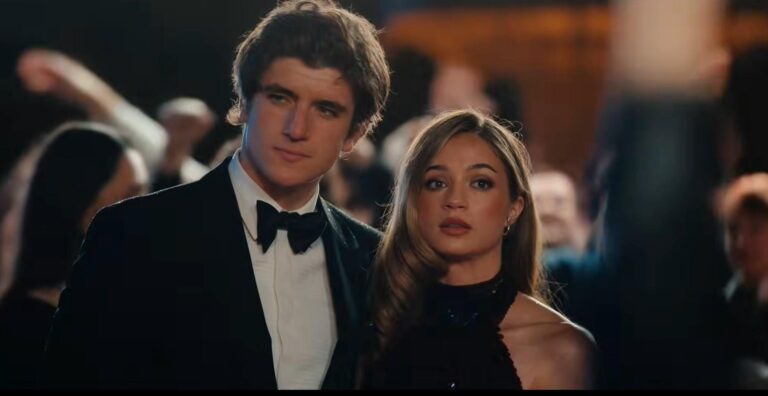
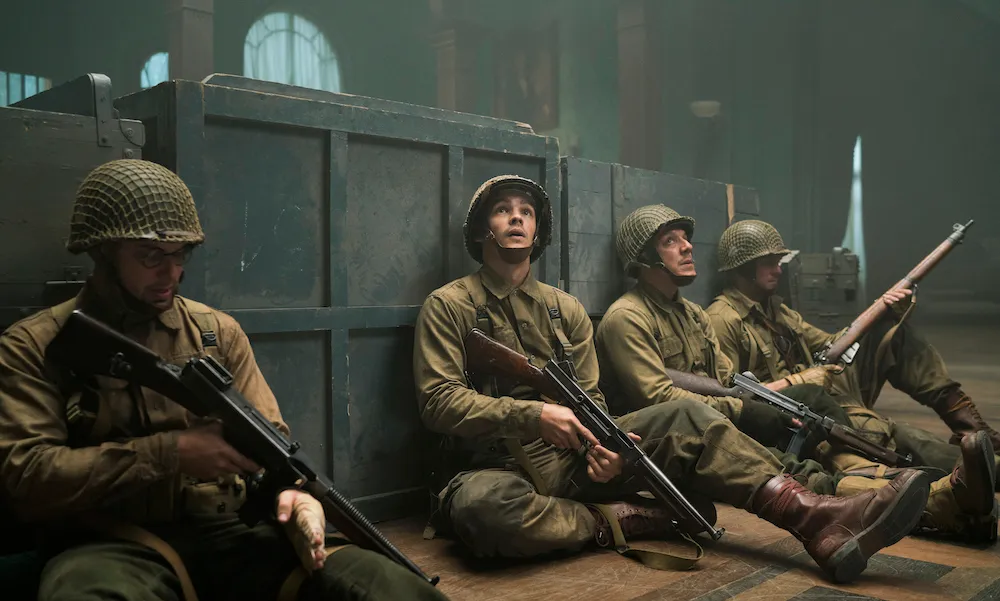
Set in 1944, the film follows a group of American soldiers sent to secure a French chateau. The mansion once belonged to a wealthy French family, was seized and its owners killed by German forces, and was then taken by the Americans. Troops rotate through the property, which makes the premise credible. The soldiers arrive expecting a plum posting, with food, luxury and no enemy for miles.
The unease begins when the outgoing soldiers seem desperate to leave, gathering their kit and fleeing with unusual haste. The newcomers are left asking the obvious question of why anyone would abandon such a comfortable post. The answer arrives soon enough. The chateau is haunted, and its spirits issue a stark warning that those who stay will not leave alive.
For much of its runtime, the film plays like a competent, conventional horror. The third act is the real surprise. It upends the story entirely, with a reversal that brought to mind the Netflix series from the creators of Dark, and it leaves a lasting impression. The concept is excellent, but the direction does not execute it with the discipline it demands. In sharper hands, this could have been a masterpiece. As it stands, it is a thoroughly engaging and well-intentioned genre piece.
Production Scale & Visual Impact
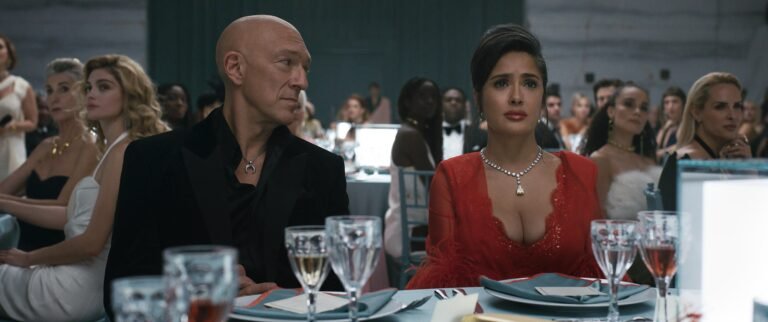
The film looks like a significant-budget production, and the money is visible on screen. The chateau is the star: a grand, empty and eerie property whose corridors and rooms are used to build dread from the moment the soldiers step inside. The setting grips the viewer early and holds that grip through the first act.
The sound design relies on jump scares, and the results are mixed. Some land with real force, while others do not. Overall, the scares work often enough to unsettle, and the ghost backstories add intrigue beyond the cheap shock.
Performances & Tension
The ensemble is a notable strength. Every performance is solid, and the film’s scale is reflected in a cast of recognisable names. Alan Ritchson is the standout curiosity. He is far leaner here than the physically imposing figure audiences know from Reacher, and he is almost unrecognisable.
Pacing is the film’s chief weakness. The middle stretch feels drawn out, with too little happening before the story turns in the third act. The tension is strong at the outset and recovers at the finish, but it dips in between. Even so, this is an enjoyable watch that rewards patience.

Rachel Rosie is a Writer & Editor at BriefLedger, based in London, UK. She holds a BA (Hons) in Journalism and Publishing from the University of the Arts London (UAL). Rachel writes about entertainment, culture, television, movies and trending stories, with a focus on clear, engaging and well-researched content.