
Street Fighter (2026) Review: Spectacular Combat, Starved of Story
Spectacular fight choreography is let down by thin storytelling and forgettable characters.
UK Platform/Release: UK cinemas, 16 October 2026 | BBFC Rating: BBFC 12A | Runtime/Episodes: 1h 59m
Scorecard & Industry Consensus
OUR RATING: ★ ★ ★ ☆ ☆ (6.5 / 10)
Verdict: Brilliant action, hollow everything else
| Category | Score | Key Takeaway |
|---|---|---|
| Story & Narrative Realism | 2.5/5.0 | The plot, about a man draining fighters’ powers, is sketched so lightly that newcomers will struggle to follow it. |
| Performances & Chemistry | 2.5/5.0 | Beyond the central heroes, the supporting cast are barely used, and no character earns genuine emotional investment. |
| Production & Set Pieces | 4.5/5.0 | The action is the film’s clear triumph, delivering the over-the-top spectacle its trailer promised. |
| Pacing & Tension | 3.5/5.0 | Combat begins almost at once and seldom relents, but a near two-hour run feels narratively thin. |
| Sound Design & Score | 3.5/5.0 | Nostalgic touches will land for devotees of the games, though they register little with newcomers. |
Industry Consensus (Reference Only):
- Rotten Tomatoes: 46% (Critics, 63 reviews)
- IMDb: 6.2 / 10
- Metacritic: 45 / 100
Quick Audience Guide
| Watch It If | Skip It If |
|---|---|
| You have played the Street Fighter games, know the lore, or simply want relentless, stylish action and Vidyut Jammwal in motion. | You are new to the franchise, want a coherent story, or need characters you can connect with. |
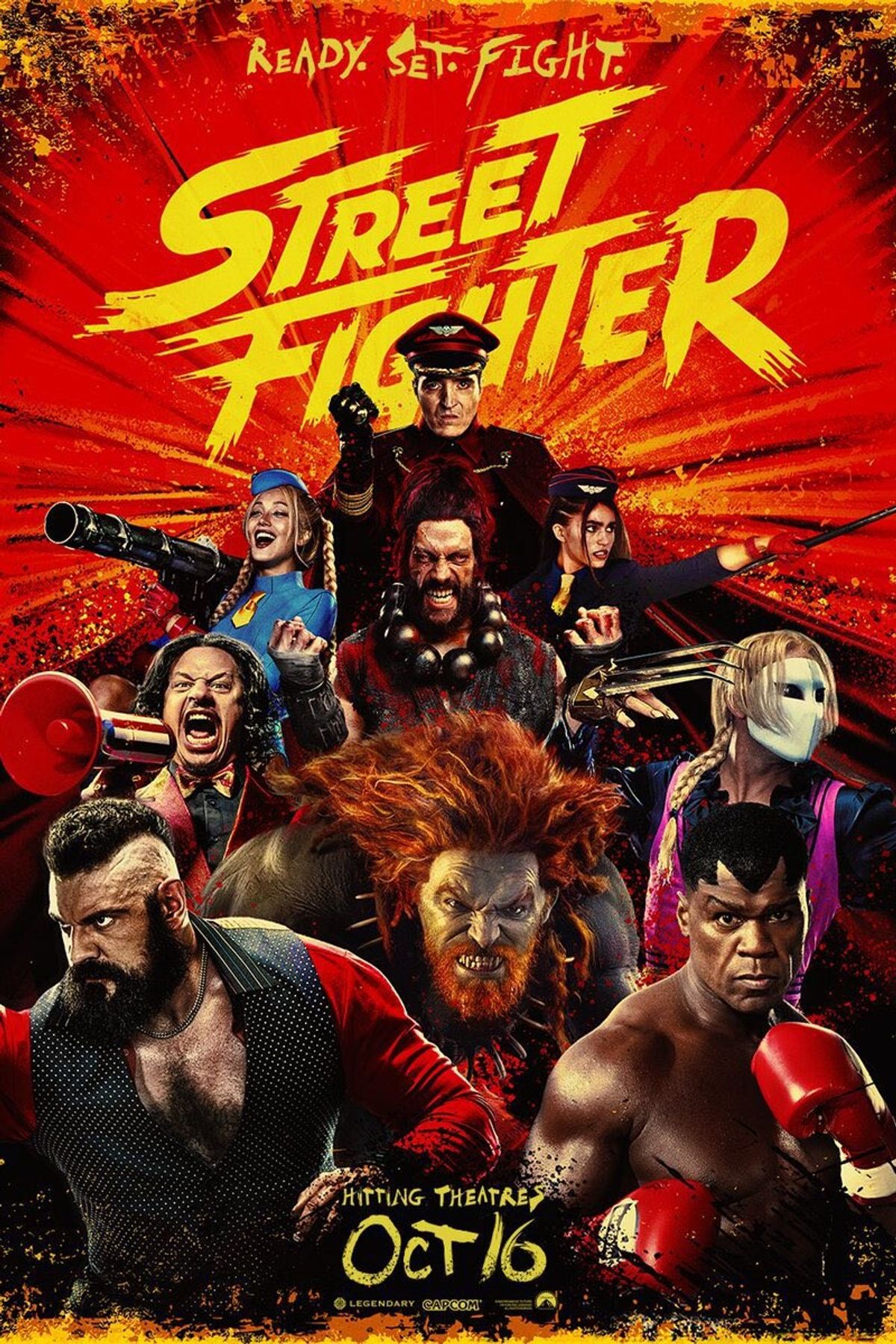
The Standout Moment: Vidyut Jammwal’s elastic-limbed fight work as Dhalsim, glimpsed in the trailer and delivered on screen, is the film’s clearest showcase of physical spectacle, even if his screen time proves modest.
High-Impact Pros & Cons
Pros
- Superb Action: The fight sequences are the film’s undisputed strength, delivering the over-the-top spectacle the trailer promised with real physical flair.
- Jammwal’s Presence: Vidyut Jammwal’s flexibility-based powers offer a distinctive physical hook and remain a genuine draw for martial-arts action enthusiasts.
- Fan Service: Nostalgic nods to the source game are woven throughout, rewarding longtime players who arrive already knowing the franchise.
- Brisk Momentum: Action begins almost immediately and rarely lets up across a near two-hour runtime, so boredom seldom becomes a concern.
Cons
- Absent Storytelling: The film assumes prior game knowledge, leaving newcomers with little explanation of its world, stakes or central conflict.
- Wasted Ensemble: Supporting fighters feel underused and interchangeable, while emotional beats, including a daughter’s loss, generate no real investment.
Deep Editorial Critique
Direction & Tactical Realism
Street Fighter is, above all, a film made on the assumption that its audience already knows the game. Like Sonic the Hedgehog, whose fourth film has now wrapped production, it is adapted from a video game. The director dispenses with exposition almost entirely and drops viewers straight into combat, apparently trusting that fans will fill in the gaps or that only fans will turn up. As someone who has never played the games, I found that confidence misplaced. Some information is supplied, but the film prioritises showing action over telling a story, and the larger narrative never comes into focus.
The central premise is serviceable: a man hungry for psychic power sets out to drain the abilities of dangerous fighters, the lead hero included, in order to become ever more formidable. Yet a runtime approaching two hours offered ample room to develop that idea, and it is left largely unexplored. The film gives the impression of a production that did not feel it needed to try, banking on audience familiarity instead of earning attention.
That reticence extends to the film’s use of superpowers. Each fighter has a distinct ability, but the screenplay shows little curiosity about them. Jammwal’s Dhalsim, for instance, is defined chiefly by his flexibility, with the occasional glowing-eyed flourish, and little else. The result feels cautious, even commercially risk-averse: a film engineered to keep audiences engaged without ever asking anything of them. It is a familiar impulse as studios mine games for screen franchises, a trend also visible in Atari’s deal with Universal to turn ten classic games into films. That caution yields the kind of competent but forgettable fare that lacks character depth and narrative ambition. An open-ended conclusion clearly positions the film for a sequel.
Production Scale & Visual Impact
Where the film does deliver is in its action. The combat is staged with the extravagance promised in the trailer, which we covered in our earlier look at how it embraces the source material, and the over-the-top set pieces and superpowered spectacle are exactly what an adaptation of this kind should provide. For viewers who want fighting and little else, the film supplies it in abundance.
The nostalgic touches scattered throughout will resonate most with long-term players of the franchise. For the wider audience, they will likely pass without much effect, as they did for me. For other recent game adaptations, see our reviews of Mortal Kombat II and The Super Mario Galaxy Movie.
Performances & Tension
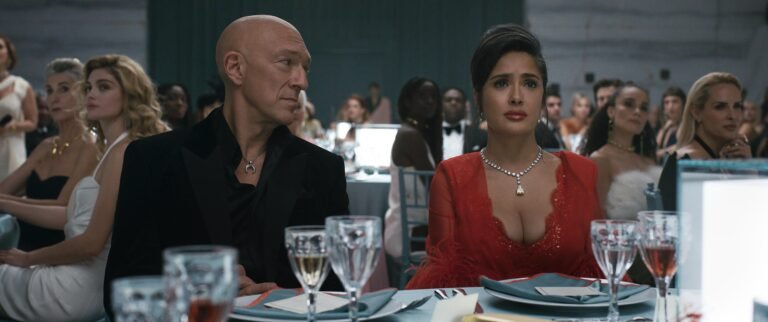
The film’s weakness lies in its people. Aside from the central heroes, the supporting characters feel as though they have simply wandered into the frame; their presence or absence would scarcely alter proceedings. Even the emotional hook of a young woman whose father was killed by the villain fails to land, and it is difficult to care what becomes of her.
Jammwal is the principal draw, but audiences should temper expectations: his screen time is roughly what the trailer already showed. Tension, meanwhile, comes almost entirely from the choreography rather than from any stake in the characters, which leaves the film thrilling in the moment but unmemorable afterwards.
Final verdict: Fans of the game and action devotees should enjoy it in cinemas. Everyone else would be better served waiting for the streaming release.

Rachel Rosie is a Writer & Editor at BriefLedger, based in London, UK. She holds a BA (Hons) in Journalism and Publishing from the University of the Arts London (UAL). Rachel writes about entertainment, culture, television, movies and trending stories, with a focus on clear, engaging and well-researched content.