VisionQuest (2026) Review: Ultron, Fatherhood and a Hunted Machine
Marvel’s most gripping Disney+ series since Loki, undone only by modest visuals.
UK Platform/Release: Disney+ UK, 14 October 2026 | Runtime/Episodes: 8 episodes
Scorecard & Industry Consensus
OUR RATING: ★ ★ ★ ★ ☆ (8.5 / 10)
Verdict: Gripping, accessible, visually modest
| Category | Score | Key Takeaway |
|---|---|---|
| Story & Narrative Realism | 4.5/5.0 | A deliberately simple premise grounded in Vision’s inner conflict keeps the narrative focused and consistently engaging. |
| Performances & Chemistry | 4.5/5.0 | The human-form AI characters are the series’ strongest asset, each distinct and memorable. |
| Production & Set Pieces | 3.5/5.0 | Visuals are serviceable rather than striking, and the finale’s effects work dips further. |
| Pacing & Tension | 4.5/5.0 | Cliffhanger endings and a well-built climax sustain momentum across the whole run. |
| Sound Design & Score | 4.0/5.0 | Audio never distracts from the drama and supports the sci-fi tone without drawing attention to itself. |
Industry Consensus (Reference Only):
- Rotten Tomatoes: 84% (Critics)
- IMDb: 7.8 / 10
- Metacritic: 58 / 100
Quick Audience Guide
| Watch It If | Skip It If |
|---|---|
| You follow the MCU, loved WandaVision, want groundwork before Avengers: Doomsday, or are watching as a family. | You are new to Marvel, dislike technical sci-fi terminology, or expect visual spectacle. |
The Standout Moment: The climactic run of episodes, each closing on a cliffhanger, delivers the series’ sharpest payoff: Vision’s internal struggle against Ultron collides with the bounty hunter’s pursuit, with consequences that reach well beyond this show.
High-Impact Pros & Cons
Pros
- Gripping Story: A deliberately simple premise, Vision’s struggle against Ultron while hunted, stays accessible and consistently absorbing across all eight episodes.
- Compelling AI Characters: The human-form AI characters are the standout, giving the series fresh personalities and real narrative weight.
- Relentless Cliffhangers: Every episode ends on a cliffhanger, and the climax rewards viewers who have stayed invested throughout the run.
- Doomsday Groundwork: Plot threads and new technology introduced here appear designed to connect directly to Avengers: Doomsday, making it worthwhile pre-viewing.
Cons
- Modest Visuals: Effects and visual polish are merely serviceable, and the finale’s visuals dip further, the series’ only notable weakness.
- Franchise Homework: Newcomers will find the plot only partly comprehensible without WandaVision and wider MCU viewing, and technical jargon may feel dense.
Deep Editorial Critique
Direction & Tactical Realism
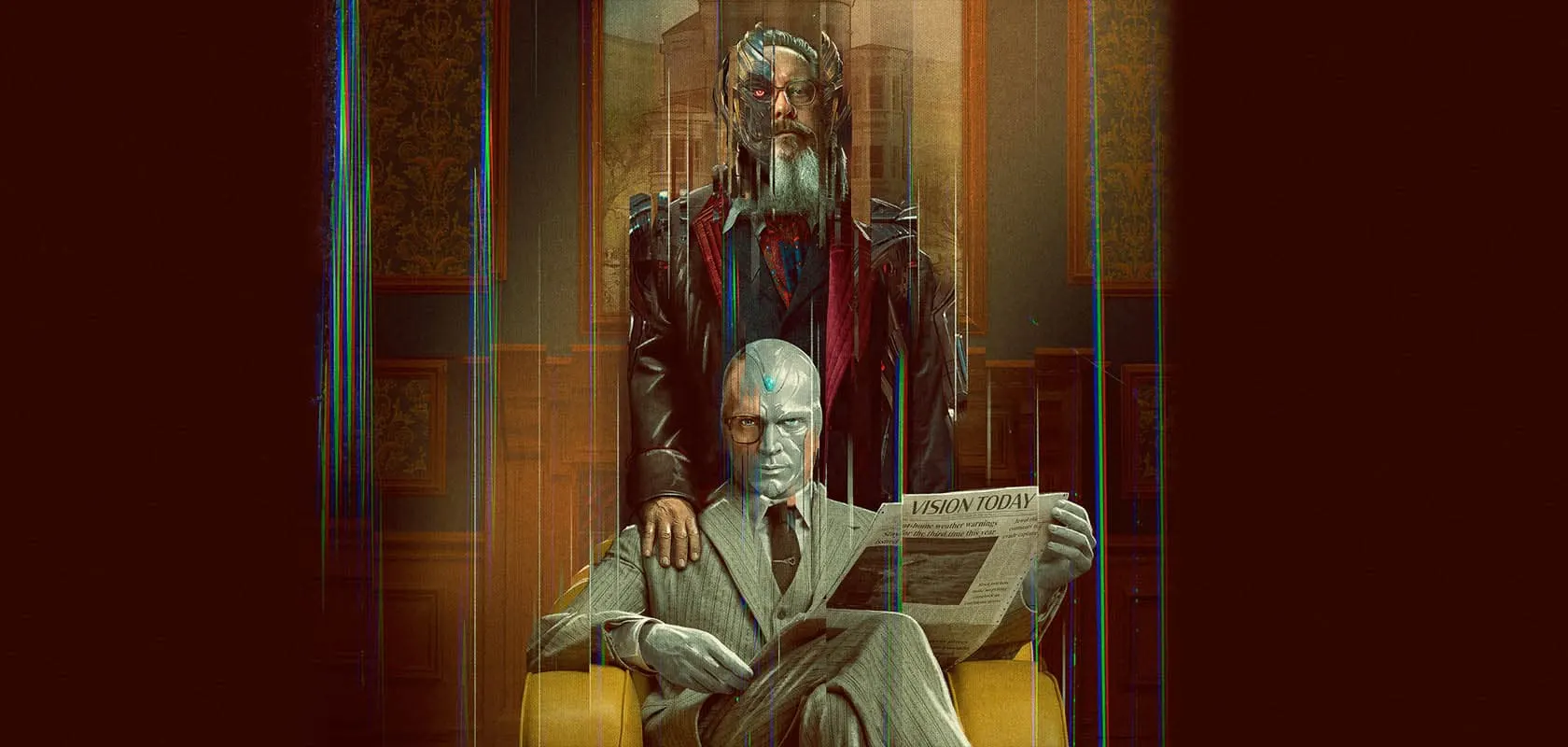
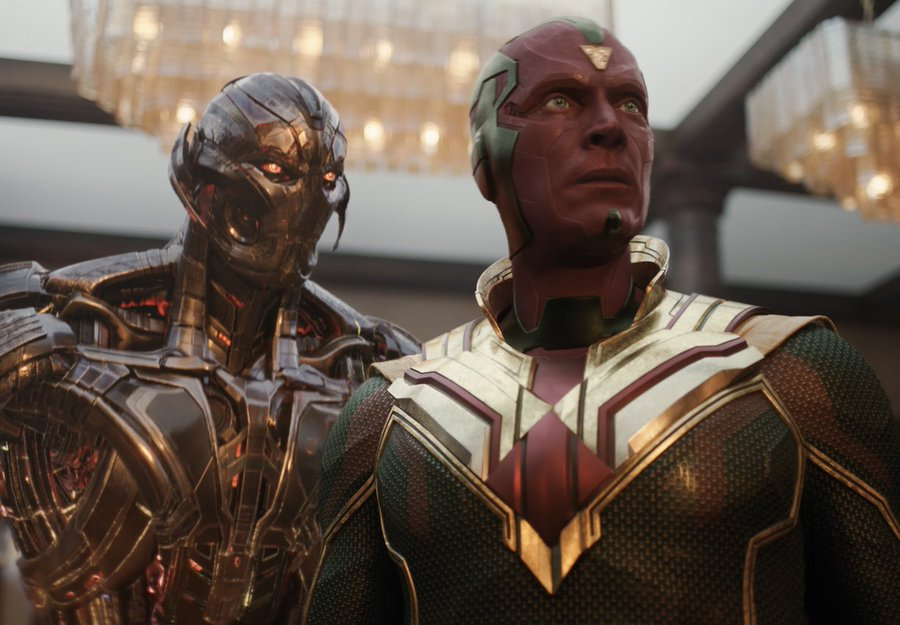
VisionQuest succeeds because its core story is plain. Vision, a synthetic being, carries a dangerous artificial intelligence, Ultron, which wants to seize control of him. Alongside that sits a second, more human strand: Vision has children, and the series treats that relationship as a thread in its own right. This duality gives the show a clear emotional and thematic spine.
A third element adds urgency. A relentless bounty hunter armed with adamantium bullets is pursuing Vision, having been contracted to kill him. The direction balances these strands with confidence, never letting the pursuit overwhelm the character work.
The series does ask for homework. Viewers who have not seen WandaVision and the broader Marvel catalogue will lose some of the connective tissue, and the technical vocabulary may feel dense. Disney itself has listed eight projects to watch before VisionQuest, which is a useful starting point for anyone catching up. Even so, a newcomer should grasp the central drama. For committed MCU followers, that vocabulary is part of the appeal. The show also appears to be laying groundwork for Avengers: Doomsday, which makes it close to essential preparation. If you want to see where that film is heading, our coverage of the first Avengers: Doomsday trailer and the new Doomsday concept art shows how the next chapter is taking shape.
Production Scale & Visual Impact
This is where VisionQuest is weakest. The visual effects are acceptable but rarely memorable, and the finale’s effects work falters further just when the narrative asks for maximum impact. It is the series’ one genuine shortcoming, and it is the only reason the score stops short of the top tier. Viewers can judge the visual approach for themselves from the official VisionQuest trailer released ahead of the premiere.
What the production does well is structure. Each episode closes on a cliffhanger, and the climax is staged to reward sustained attention. The series also introduces new technologies and new characters, which keep the world feeling expansive without sprawling.
Performances & Tension
The most striking achievement is the handling of the human-form AI characters. They are distinct, well conceived and consistently watchable, and they lift the series above routine franchise television. Jocasta, introduced in the pre-launch teaser, is part of that wider android cast. The tension between Vision, his AI adversary and the hunter closing in generates real momentum.
Pacing is a strength. The cliffhanger rhythm makes the series easy to binge, and the entertainment value stays high throughout. It remains accessible enough for family viewing. A second season is uncertain, with Doomsday looming as the next meeting point, and Robert Downey Jr. sounding confident as Doctor Doom only raises the stakes for that meeting. The appetite for more is clear.

Rachel Rosie is a Writer & Editor at BriefLedger, based in London, UK. She holds a BA (Hons) in Journalism and Publishing from the University of the Arts London (UAL). Rachel writes about entertainment, culture, television, movies and trending stories, with a focus on clear, engaging and well-researched content.